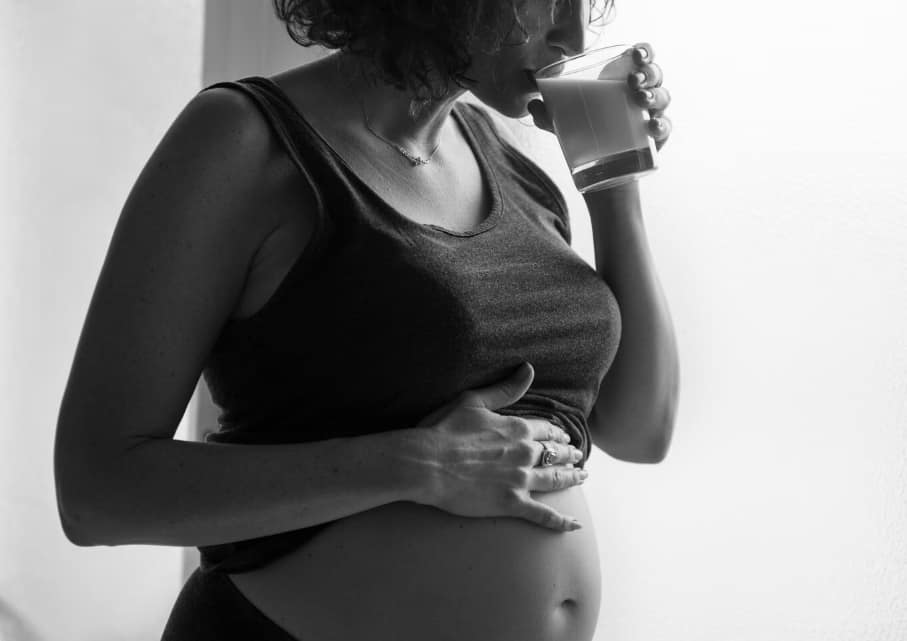
Pregnancy is one of the most crucial periods in the life of a woman when one ought to pay special attention to healthy eating. The nine months you spend during pregnancy are directly influenced by the way you eat; this is whether your health or that of the baby. These foods will help you in knowing the foods to have and those to avoid and make your pregnancy health and provide your baby the best beginning in life. This reading will assist you to make proper decisions regarding what you eat when pregnant.
The Importance of Proper Nutrition During Pregnancy
Pregnant women require additional nutrients to supply their unborn baby with. You have more blood to carry around, the organs of your child are growing up, and your body is also undergoing lots of changes. This implies that you require extra doses of vitamins, minerals, and calories than normal. But pregnancy nutrition is not about increasing the amount one eats, it is about eating foods that will be healthy to you and your unborn child.
Pregnant women should eat well to avert birth defects, minimize chances of developing pregnancy complications, and help their babies grow out in good health. It will also assist you to stay energetic as well as overcome symptoms of pregnant like vomiting and constipation along with the preparation of your body to get ready to breastfeed following delivery. Your current food preference is setting the stage to the future health of your child.
Essential Food Groups for Pregnant Women

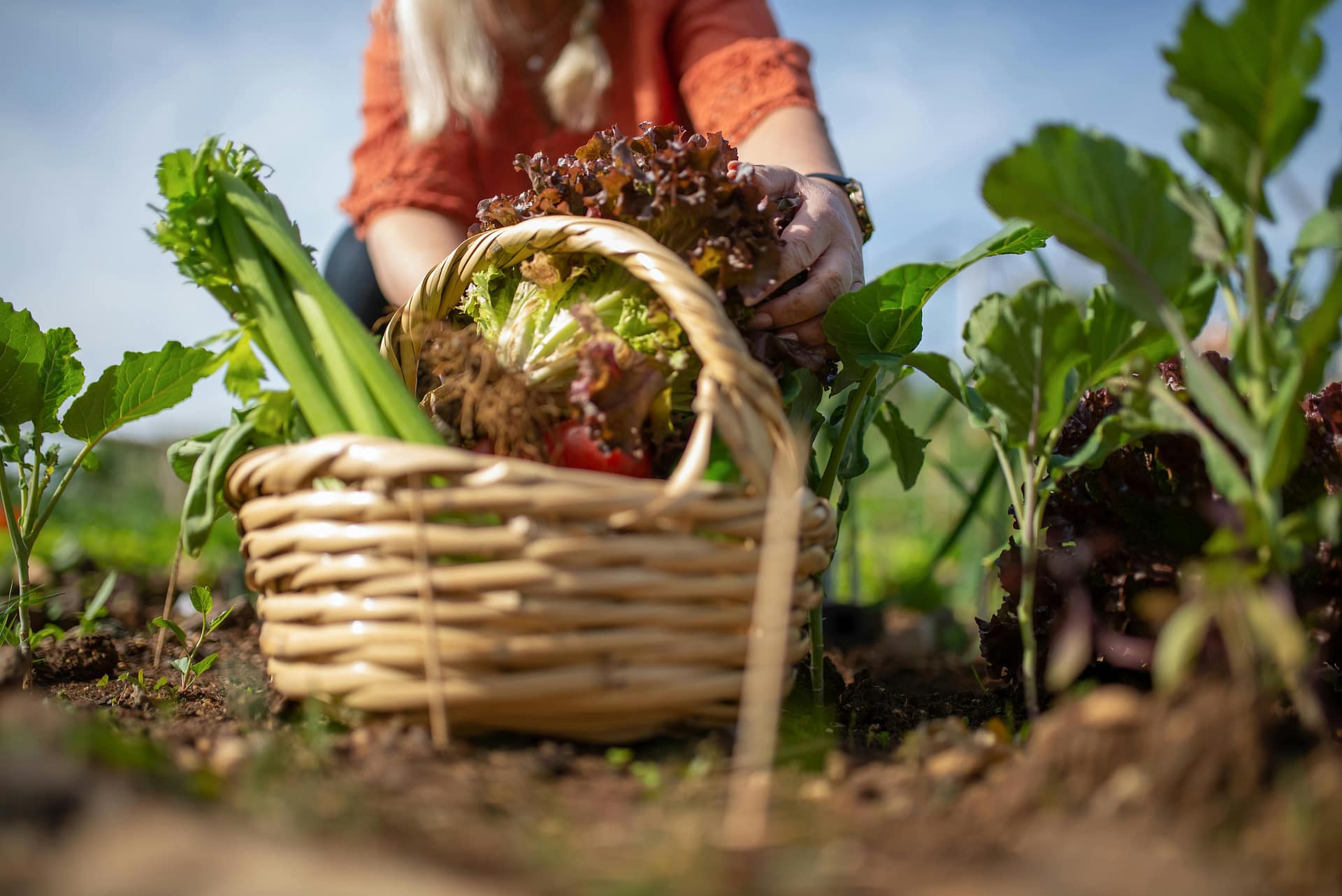
Vegetables: The Foundation of a Healthy Diet
Vegetables will take a big percentage of your everyday food when you are pregnant. Foods such as spinach is rich in folate and this aids in the prevention of neural tube defects in your unborn child. Carrots contain beta carotene, which is later converted to vitamin A necessary
in healthy vision and immune system. Sweet potato is a source of complex carbs which gives long-lasting energy and pumpkin contains fiber regulating the processes of digestion. Foods such as cooked greens are the greatest of all since cooking makes some of the nutrients to be more readily accessible to your body.
As much as possible, eat diverse colorful vegetables keeping in mind that in most cases different colors imply different nutrients. Vitamins A and potassium that are abundant in most vegetables promote cell development in your child and keep your blood pressure at a healthy limit.
Fruits: Nature’s Sweet Nutrition
Fruits are rich in vitamins and natural cleats and may be used to curb the cravings to gain some vital values. Potassium in bananas keeps the blood pressure and muscles healthy by averting muscle cramps. Oranges and grapefruit contain lots of vitamin C that assist your body to absorb digestible iron and immune enhancement functions.
Apricots, cantaloupe, and honeydew melons will supply the needed vitamin A and folate, and also hydration and sugar in the form of natural sugars. Mangoes contain a lot of vitamin A and C, and prunes may be used to avoid constipation, which is one of the complaints during pregnancy. Whether we are talking about fresh fruits or fruit juices, the first type is a better option since it contains fiber and does not contribute as much to elevated blood sugar levels.
Dairy Products: Building Strong Bones
Dairy foods are essential at pregnancy due to the provision of calcium, protein and vitamin D. Calcium is required by your baby to make healthy bones and teeth and without the intake of ample calcium in your diet, your body will scavenge to your own bones.
Calcium sources do not have a lot of saturated fat and are skim milk or low-fat milk. Low-fat or fat-free yogurt is one of the best choices as it contains probiotics, which help to maintain digestion, besides protein and calcium. Yogurt is also useful in cases of nausea which most women undergo at the early stage of pregnancy. Calcium, potassium, vitamin A, and vitamin D present in dairy products combine to play a role towards the health of mother and the unborn.
Grains: Energy for Growth
Complex carbohydrates are the complex grains such as the ones your body needs to have energy during pregnancy. Your boosted nutritional requirements can be satisfied through such iron and folic acid️ fortified ready-to-eat cereals. Cereals that are cooked such as oatmeal give fiber and can stabilize blood sugar levels.
Choose whole grains when available because they are more nutritious and have large quantities of fiber than refined grains. The ferric and folic incorporated in fortified grains are especially critical throughout pregnancy. Iron is needed to prevent anemia that occurs frequently in pregnancy and folic acid prevents birth defects of the brain and spine.
Proteins: Building Blocks for Development
Protein will help your baby grow during pregnancy, it helps as your baby grows later in the second and third trimesters the faster it grows. Beans and peas are very good sources of vegetarian proteins packed with fiber and folate. Lean beef gives quality proteins and iron as well as zinc. Pork and Lamb are a good source of protein when cooked well. Seeds and nuts offer healthy fat and protein together with vitamin E.
Good use of fish such as salmon fish, trout fish, herring and sardines are highly appropriate as they have omega-3 fatty acids that are very significant in development of the brain. Poultry contains lean protein and nutrients in the amino acids of the different protein foods assist in the development of muscles, organs, and tissues of your baby.